




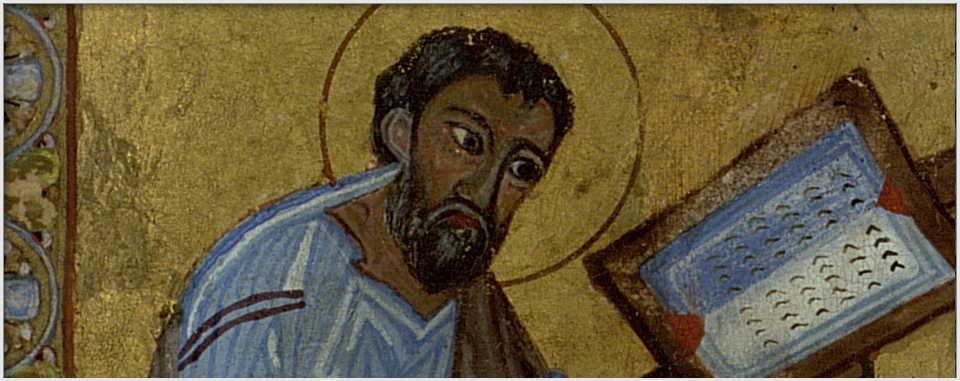
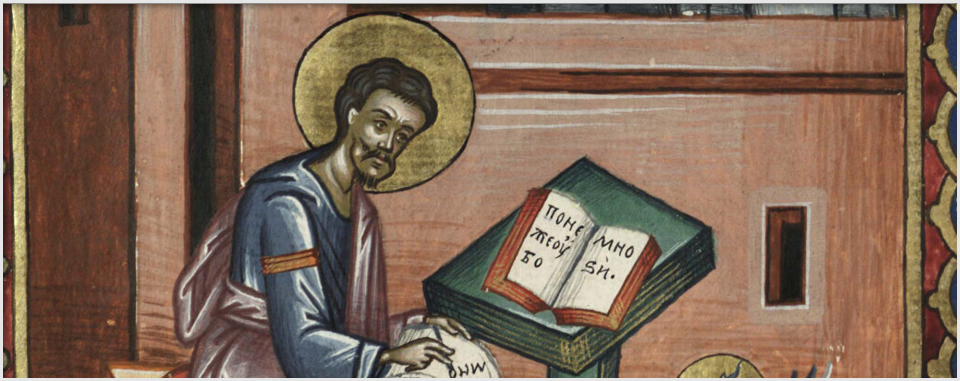
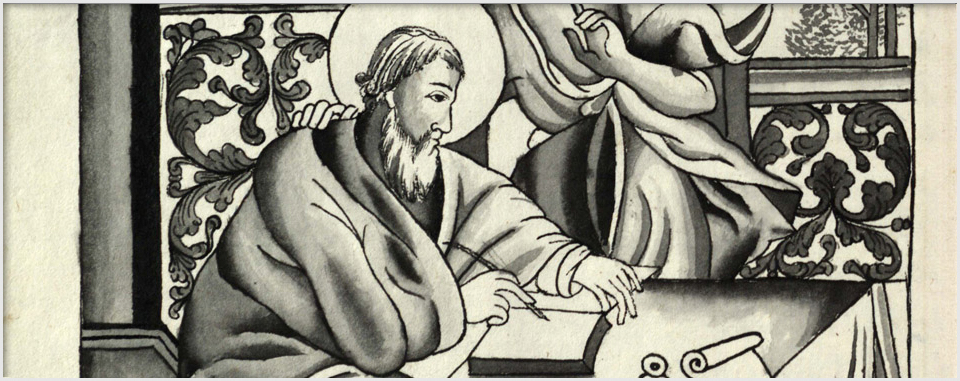
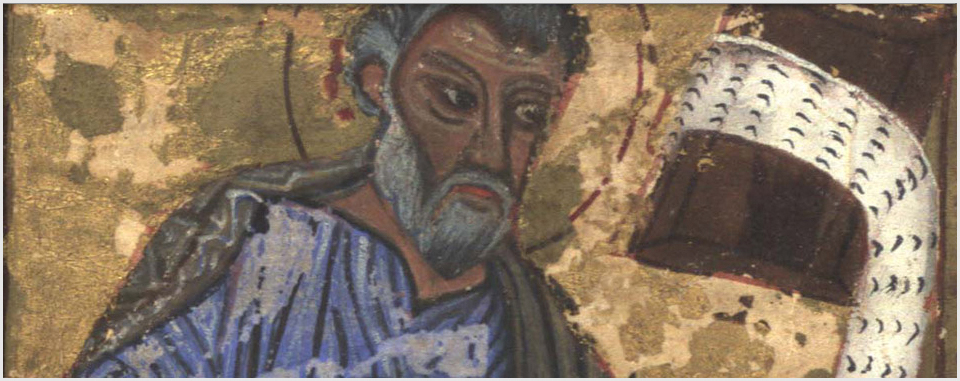
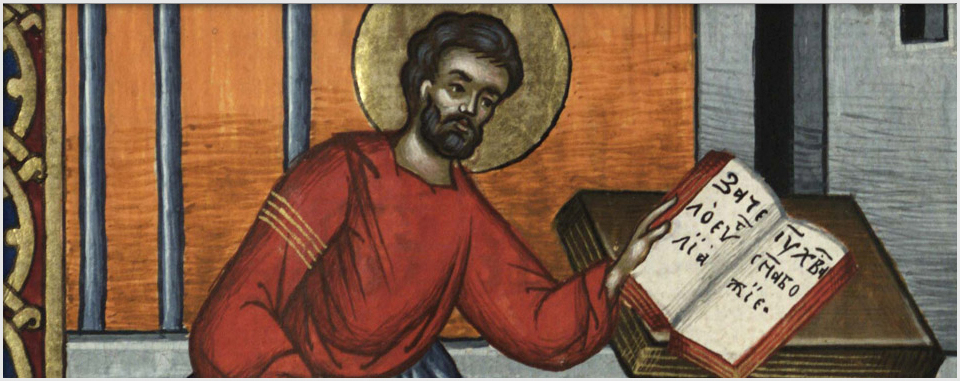




Fondul de manuscrise bizantine şi post-bizantine al Bibliotecii Academiei Române cuprinde o largă varietate de opere, atât din punct de vedere cronologic (secolele XII – XIX), geografic (Imperiul Bizantin, Ţările Române, Ucraina, Bulgaria, Serbia, Macedonia, etc.) dar şi tematic (Tetraevangheliare, Pomelnice mănăstireşti, Canoane de penitenţă, Comentarii biblice, Caiete iconografice pentru pictori de frescă, etc).
O atât de mare varietate de cărţi manuscrise, miniate sau cu xilogravuri colate în interiorul lor, necesită o detaliată analiză iconografică pentru a identifica trăsăturile distinctive ale şcolilor zonale, teme iconografice locale, împrumuturi sau adaptări din iconografia occidentală sau apariţia unor elemente arhitectonice specifice unui anumit areal, dar şi apariţia de teme iconografice inedite.
În urma analizei iconografice Byzantion creeaza un canon virtual tematic, bazat în egală măsură pe textele erminiilor şi pe trăsăturile comune ale reprezentărilor iconografice analizate cu ajutorul căruia se vor putea scoate în evidenţă diferenţele zonale, evoluţia de-a lungul secolelor dar şi gradul de inovaţie artistică prin compararea fiecărei imagini în parte cu imaginea canonică.
O atât de mare varietate de cărţi manuscrise, miniate sau cu xilogravuri colate în interiorul lor, necesită o detaliată analiză iconografică pentru a identifica trăsăturile distinctive ale şcolilor zonale, teme iconografice locale, împrumuturi sau adaptări din iconografia occidentală sau apariţia unor elemente arhitectonice specifice unui anumit areal, dar şi apariţia de teme iconografice inedite.
În urma analizei iconografice Byzantion creeaza un canon virtual tematic, bazat în egală măsură pe textele erminiilor şi pe trăsăturile comune ale reprezentărilor iconografice analizate cu ajutorul căruia se vor putea scoate în evidenţă diferenţele zonale, evoluţia de-a lungul secolelor dar şi gradul de inovaţie artistică prin compararea fiecărei imagini în parte cu imaginea canonică.

